
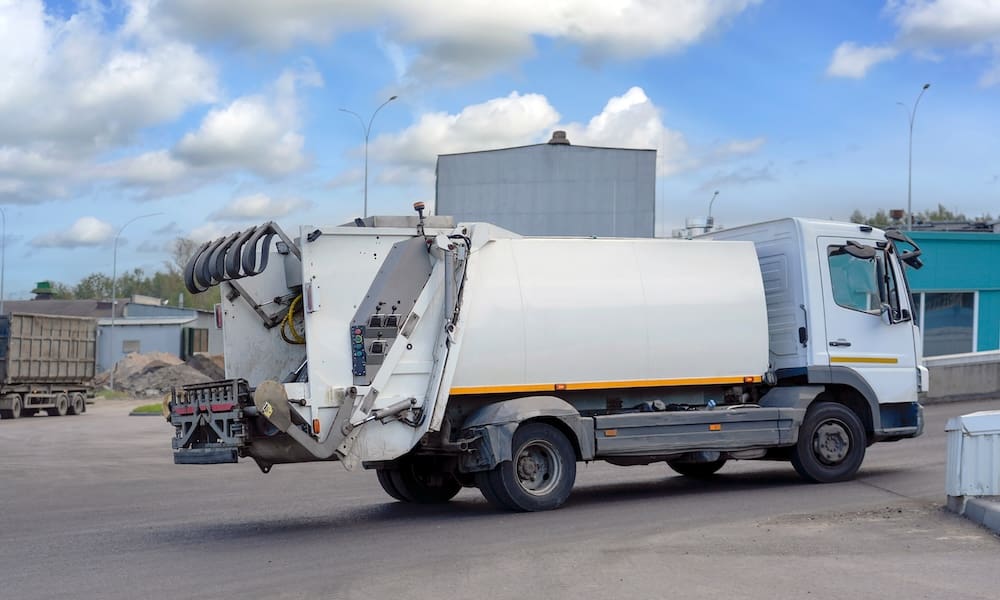
Here’s a conversation I’ve had more than once with waste hauling owners.
They’ve cleaned things up. Driver turnover is better than it used to be. Claims are manageable. No catastrophic losses. And then the waste fleet insurance renewal comes in and it’s up again. Not business threatening. Just enough to make you question whether the effort is actually moving the needle.
The question usually sounds like this: if we’re doing what we’re supposed to be doing, why does our waste hauling insurance still feel unpredictable?
That’s a fair question. And sometimes the answer has less to do with discipline and more to do with structure.
Waste hauling has never been a low-exposure business. Residential routes, backing, early morning traffic, pedestrian interaction, equipment damage. That is part of the job. What has changed in recent years is claim severity. Larger verdicts, higher settlements, more aggressive litigation environments. Organizations like the National Waste and Recycling Association and the Solid Waste Association of North America have spoken openly about the growing operational pressures across the refuse and recycling industry. Insurance has quietly become one of them.
When large losses hit the waste segment anywhere in the country, carriers respond. They tighten underwriting. They reprice commercial auto insurance for waste fleets. They reduce capacity. Even if your operation had nothing to do with the losses, you can still feel the impact. That is often where frustration begins.
Guaranteed cost waste hauling insurance makes sense for many operations. You pay a fixed premium and transfer volatility to the carrier. It is straightforward and predictable on the surface. What is not always discussed is that pricing inside these programs is influenced by the broader results of the carrier’s book. You are not priced in isolation. If the overall waste and recycling insurance segment underperforms, premiums move across the segment.
So you can improve frequency, invest in safety technology, strengthen hiring standards, and still see renewal shift because the broader pool did not perform. That does not mean underwriting ignored your effort. It means the structure was built for simplicity, not precision.
There comes a point where a waste hauling company matures. Revenue stabilizes. Claim patterns become predictable. Supervision improves. There is financial flexibility. At that stage, the conversation sometimes needs to move beyond negotiating the increase and toward evaluating whether the risk is being financed efficiently.
That does not mean every refuse hauling insurance program should shift to an alternative structure. Many fleets should remain where they are. But insurance is ultimately a capital decision, not just an expense line item. Strong operators eventually ask whether their level of participation matches the stability of their operation.
Waste hauling will always carry exposure. That does not change. What can change is how that exposure is structured. For disciplined fleets, renewal predictability often improves not when they fight harder inside the same program, but when they step back and evaluate whether the structure itself still fits.
That is usually when the conversation around waste hauling insurance becomes more productive.


