
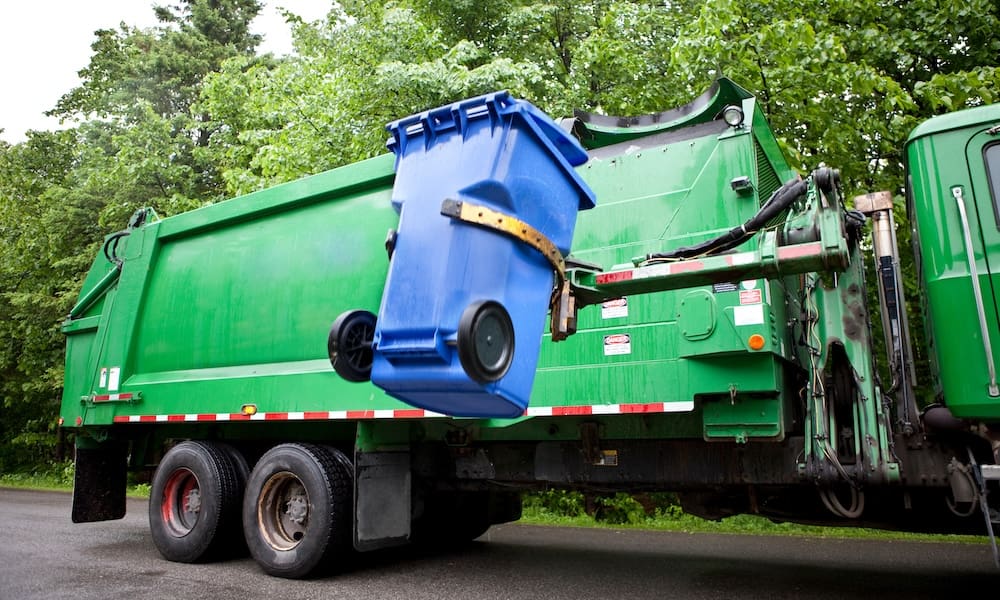
Waste and recycling haulers play a vital role in maintaining cleanliness and sustainability in our communities. From residential pick-ups to commercial and industrial waste management, these businesses are essential to keeping the environment safe and efficient. However, with such responsibilities come risks. Operating large vehicles, handling hazardous materials, and working with heavy equipment all present potential hazards. To protect their operations, employees, and clients, waste and recycling haulers need comprehensive insurance coverage.
Why Insurance is Essential for Waste & Recycle Haulers?
Waste and recycling hauling can be a high-risk industry. Haulers often operate large, heavy trucks, travel across various terrains, and may handle hazardous materials or waste. Additionally, accidents can occur, from collisions with other vehicles to property damage caused by improperly secured loads. Having the right insurance coverage is essential to safeguard against financial losses and potential lawsuits.
Key Types of Insurance for Waste & Recycling Haulers
-
Commercial Auto Insurance: Given that waste and recycling haulers rely on trucks and other vehicles for daily operations, commercial auto insurance is critical. This policy covers accidents, damages, and injuries involving company vehicles, whether on the road or while operating at waste disposal sites.
-
General Liability Insurance: Waste haulers interact with the public and often work on private or public property. General liability insurance protects businesses from claims of bodily injury or property damage caused by their operations. For example, if a waste container is left unsecured and damages a customer’s property, general liability insurance can help cover the costs.
-
Workers’ Compensation Insurance: Waste and recycling haulers often work in physically demanding environments where accidents and injuries are possible. Workers’ compensation insurance provides coverage for employees who are injured while on the job, helping to cover medical expenses, lost wages, and rehabilitation costs.
-
Pollution Liability Insurance: Hauling waste, especially hazardous materials, can pose environmental risks. If a hauler inadvertently causes a spill or environmental damage, pollution liability insurance provides coverage for cleanup costs and legal liabilities associated with pollution incidents.
-
Cargo Insurance: Hauling various types of waste, from recyclables to hazardous materials, can result in loss or damage to the cargo being transported. Cargo insurance protects against the loss or damage of the goods being hauled during transport, ensuring that waste haulers are not financially responsible for these mishaps.
-
Property Insurance: If you operate a waste management facility or a recycling plant, property insurance is essential. It covers damage to physical assets such as buildings, equipment, and machinery, ensuring that your operations can resume quickly in case of fire, theft, or natural disasters.
-
Umbrella Insurance: Waste and recycling haulers may face higher liability risks due to the nature of their business. Umbrella insurance provides extra coverage above the limits of your existing policies, ensuring that you’re not left exposed to large financial claims.
Conclusion
The waste and recycling industry is vital for keeping our communities clean, safe, and sustainable. However, with the potential risks involved in hauling, it’s important for haulers to secure the right insurance coverage. From protecting your fleet and employees to addressing environmental concerns, having comprehensive insurance ensures that your business is shielded from unexpected financial burdens. By investing in the right insurance policies, waste and recycling haulers can focus on their critical work while minimizing risks and ensuring long-term success.


